

Special Education and MTSS
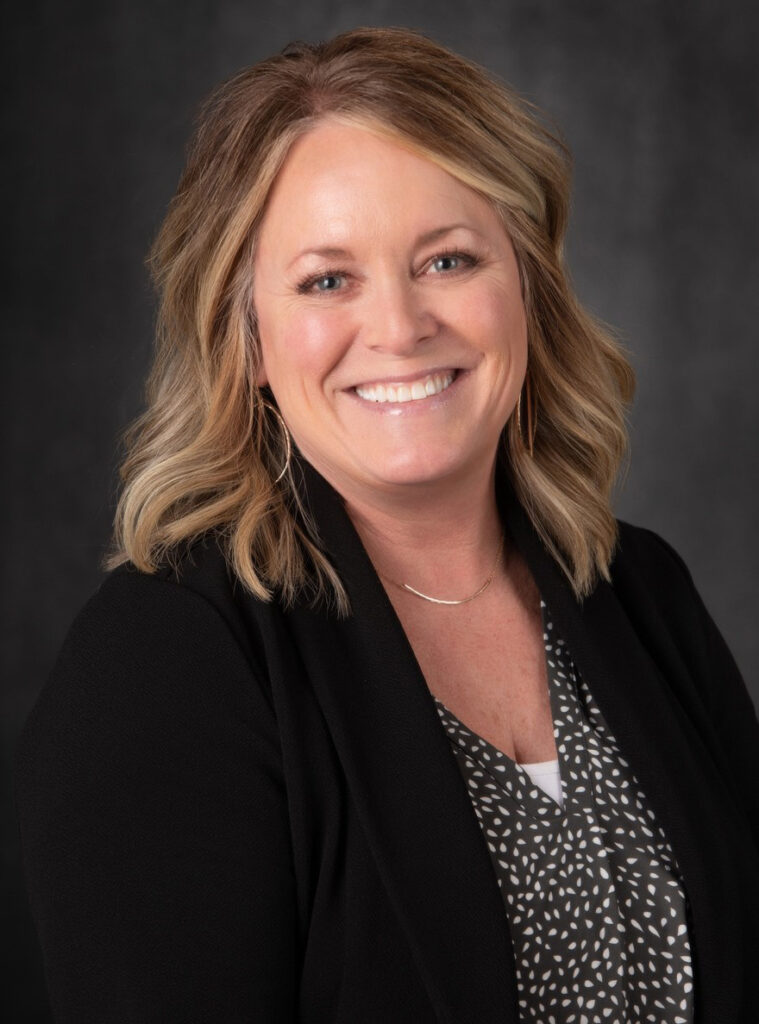
An interview with Tracey Fair, director of Four Rivers Special Education District in Jacksonville, IL
We spoke with Tracey to learn more about why MTSS is so important for effective special education, and how you can build more successful MTSS supports through collaboration with special education staff.
Can you start out by telling us a little bit about yourself and your role?
I’ve been in special ed for 30 years. I was a school psychologist in Springfield 186 for about 23 years. Then I went into administration, and I am now I’m in my sixth year as director of special education at Four Rivers Special Education District. We have 19 member districts. The largest one is Jacksonville, but most of them are pretty small and rural. On site, in our building, we have a school called Garrison, with two programs: one for students with significant emotional disabilities and one a life skills program. Those programs serve students who come from all 19 districts. In addition, we provide special education support staff in each district for those students who they’re able to serve in the home district.
What is the need you saw for MTSS in your districts?
When I first came to Four Rivers, internally we didn’t have enough layered supports in place, especially for SEL, and we had very little benchmarking and progress monitoring. The same was true in many of our 19 districts. They were also in the process of building their tiered supports and their data systems from scratch.
We do a needs assessment of our 19 districts every year to see what special-education-related training and support they most need from us. And we saw an interesting shift in the past year or two!
While learning about autism and certain special education topics remained high on the needs assessment, we also saw that MTSS was one of the highest rated needs across all the districts we surveyed.
How did you end up working with the Illinois MTSS Network?
For the past five years we’ve been working on establishing benchmarking and layered supports. As part of that process, I contacted IL MTSS-N Coach Cindy Knight Meisner to ask what she and the network could do to help us and our districts implement MTSS.
Cindy designed a training based on the needs of our districts. We opened the training up to all our districts and many attended. She did a one-day in-person training, and there are three more virtual training sessions coming up throughout the year. We’ll check back in later to see what sort of progress has been made and what additional learning and support are needed. Implementing an MTSS is a long process, and most of us are towards the beginning of that journey!
What are some of the main needs you’re hearing from districts when it comes to special education and MTSS?
One of the things I keep hearing is that many districts are starting from scratch, that they don’t yet have any tiered supports in place. Mostly I hear it from my psychologists, with whom I collaborate quite bit. I hear that many of the districts need help even getting started – they just don’t know where to begin.
Why is it beneficial for districts to have tiered supports?
From a special education perspective, over the last five years, the needs of the students have become greater and greater. More students than ever are being referred for special education. But the real challenge is – if you don’t have all the tier 1 and tier 2 supports and measures in place, you don’t know whether a student needs special education, or whether they might be able to get what they need at those lower tiers.
One of the criteria to diagnose a learning disability is to show that interventions were attempted and there was a lack of response to intervention. So getting those tier 1 and 2 interventions in place with solid documentation is essential to special education diagnosis, as well as serving all students effectively.
Once those tiers are in place, what do you see as the ideal relationship between the tiered supports and special education?
I think they should work together. Back when I was a school psychologist, every week we would meet with teachers and administrators to have a problem solving and student review session. We would look at the data: benchmark scores, test scores, etc. If teachers had concerns about a particular student, they would bring us that student’s data to get feedback and collaboration.
In a system that functions well, the classroom teacher, the psychologist and the special education experts collaborate to review: what interventions have been tried so far? What additional interventions or evaluations should happen next? The more the special education team understands about what early interventions the classroom teacher has tried, the more prepared they are for evaluation and eligibility decisions.
One of the takeaways I’m getting from you is that when districts are creating their MTSS, they should try to include special education experts in the MTSS team.
I think it would be ideal, yes! Once a special education expert has been working in the district for several years, they have a very good picture of the patterns of assessments across the district. They can help to identify what areas many students are struggling with district-wide – say phonics or SEL, for example – where the district would really benefit from stronger core curriculum at tier 1. Then there might be other areas where most students are succeeding, where additional tier 1 or tier 2 interventions are not as necessary at the moment.
Is there anything else you’d want districts to know as they’re beginning their MTSS?
When you’re first starting to put an MTSS in place, it can be very overwhelming! So my advice is to pick one area to start with – maybe math, reading or behavior/social emotional – and focus on that first. Do that one area very well, then add the others later. Although it’s ideal to address all areas, that’s usually too much to do at once.
How can a district choose which area is most important to start with?
It depends on your data! Take a look at your reading scores, math scores, behavioral referrals and any other data you have available. What pattern emerges as the greatest area of need? If your reading scores are fairly strong but you have a lot of behavioral referrals, for example, you’ll want to start with social emotional learning and implementing SEL tiers and benchmarks. But the needs will be different for every district, so start with your data and go from there.
