

Coaching Highlight: Worth School District 127
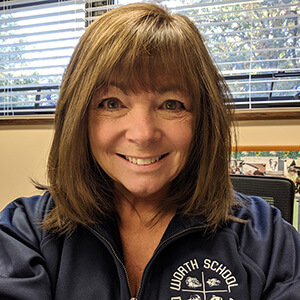
Meet Linda Esposito
Linda Esposito is the currently the director of curriculum and instruction for Worth School District 127, in Worth, Illinois, where she’s starting her 37th year. Over the years, Linda has worked as a principal, an assistant principal, a junior high teacher and an elementary teacher.
The Director of Curriculum and Instruction position was created only three short years ago, and Linda has been very busy! Resources across all curricular areas needed to be updated. Learning opportunities, resources, and instructional practices needed to be consistent and equitable across the district. There was a need to audit and grow current programs while at the same time adding new programs such as MTSS. Teachers needed focus and on-going support to meet their professional needs. It was hard to know where to begin when there was so much work to be done.
Linda reached out to IL MTSS to see if they could help develop an MTSS program from scratch. She says, “What I found was a resource and a partnership that would prove to be invaluable in helping move the district forward.”
We spoke with Linda to learn more about her district’s MTSS journey.
What has the coaching experience been like so far for your district?
Kari Harris is our IL MTSS Network Coach. In year one, Kari and I met often so she could get a good understanding of the needs of the district, we worked collaboratively to develop a plan to help us start working towards our goals, and we periodically debriefed on the work that we were doing. The plan included presenting a general overview of MTSS to all district staff on institute days, and meeting monthly with a smaller team of teachers and administrators to provide in-depth professional learning on MTSS and to create an MTSS Guidebook. Each meeting began with a very specific learning goal followed by small group work to draft a section of the guidebook that was unique to our district. This was incredibly motivating and meaningful for the staff to create their own document rather than be given a document that they needed to read and follow. In year two, our focus shifted to implementation. We had created the plan and now needed to see how it worked, if it worked, what adjustments needed to be made, and how could we educate more teachers on MTSS. Kari and I had an agenda each time the team met, but she was very flexible and responsive to the needs and questions of the team members. The staff trusted and connected with Kari and looked forward to each meeting.
Have you seen any changes so far in your teachers’ motivation or feelings of success, or student achievement?
Teachers have always been motivated and extremely dedicated to the success of their students. The frustration set in with not having the knowledge or resources to identify the specific needs of individual students and remediate the deficits. The instructional interventionists started meeting with teachers to interpret assessment results, group students for Tier 2 and Tier 3 interventions, and deliver remediation using research-based interventions delivered with fidelity. The more the teachers learned, the more their hunger for knowledge grew, and the more they wanted to try new things in their classrooms. Student achievement skyrocketed as students moved fluidly in and out of different Tiers.
Can you share a bit about any changes you’ve noticed?
Teachers are doing more than just collecting data. They are looking at data and making decisions based on that data. They are moving away from what I like to call curriculum by Pinterest, and using resources that are proven to impact student learning. Teachers are taking responsibility for the learning of all students and not referring them to someone else to “fix.”
What goals and plans does your district have for the future?
This year our goal at the elementary school level is to have classroom teachers deliver and monitor all Tier 2 interventions. We are emphasizing daily, targeted, small-group instruction based on identified needs. Our goal at the junior high level is to educate more staff on MTSS and find a way to overcome the roadblock of working within the current schedule to work with Tier 2 and Tier 3 students. At the same time, we will work on creating a new schedule that allows for more flexibility in providing specialized programs for students. Finally, we’re going to look at our population of multilingual students as they are being referred to MTSS in great numbers. Do they need Tier 2 or Tier 3 interventions or is the Tier 1 program failing them?
Do you have any advice for other districts or educators who are interested in implementing MTSS?
Allow yourself grace. It takes time to do things the right way, and the time investment is worth it.
Is there anything else you’d like us to know?
In working with Kari and IL MTSS, we got so much more than just an MTSS coach. Our district and our staff got everything we asked for and more. Kari listened and learned about the unique needs of our district, and incorporated learning opportunities to meet those needs. We built a solid foundation for MTSS and continue to tweak and grow the program. Our teachers are receiving meaningful, on-going professional development and support tailored to meet our specific needs. We are looking at curricular resources, implementing programs with fidelity, and using assessment data to drive instruction. To say that she has helped us move the district forward with our goals is surely the understatement of the year, and we are extremely grateful for the partnership we share with IL MTSS.
